Against all odds, the Baluch believe the Persians are spread too thin across the Middle East and can be defeated in Yemen, Iraq, Syria, Bahrain, and occupied Baluchistan. We believe that the Persians do not have enough resources and manpower to maintain so many wars on different fronts.
Saudi-led coalition war against the Houthis in Yemen is expensive, and it is not sustainable for too long.
The Saudi-led coalition's single warplane costs tens of millions of dollars to bomb a cowshed, against Iran's $350. The Saudi-led coalition has firepower superiority, but Iran has organisational superiority. The Iranians are waiting for the Saudi-led coalition to run out of targets and make mistakes or hit too many wrong targets. The Iranians are also waiting for the Saudi-led coalition forces to enter Yemen.
The Saudi-led coalition is too rich and too powerful compared to the Houthis and Iran, but the Americans were also powerful in Iraq. Iran defeated the Americans in Iraq through Shiite militias with little cost to Iran, and they have that experience. The Persians are experts at creating chaos and managing it to their advantage.
To win or lose a war depends on a country’s allies; the Gulf States are alone in this war against Iran and Iranian proxies. The Iranians are also waiting for opportunities to mobilise their international supporters in the United Nations to negotiate a power-sharing deal for Houthis in Yemen, similar to Hezbollah in Lebanon, and secure Iranian influence in Yemen forever.
From Yemen, Lebanon, and Bahrain, the Iranians will incite, mobilise and organise the Saudi Arabian Shiite and Khawarij population against Saudi Arabia. Saudi Arabia has a large Shiite and Khawarij population, enough to create a problem for Saudi Arabia.
“In public, Sisi praises the Gulf leaders — but in leaked private recordings, he dismisses them as oil bumpkins who can be bilked of their money by more dynamic Arab nations. Qatar no longer openly defies Saudi Arabia, but it still supports the Muslim Brotherhood and jihadis in Syria to the extent it can, and in opposition to Saudi preferences.”
It has been said that states have no prominent friend or enemy, but an interest.
Is Pakistan a friend or enemy?
Pakistan's decision not to join the Arab has its logic in the Obama Administration. Pakistan has its eyes and ears in Washington, D.C., and Pakistan senses or hears noises that this war is not winnable, and it decided to be in Iran's camp.
Pakistanis are investing in Iran and the 1+5 nuclear deal. The Pakistanis sense that the Iranians are the winners in this conflict, regardless of the outcome of the Yemen conflict.
https://foreignpolicy.com/2015/04/14/yemen-iran-saudi-arabia-middle-east/ Saudi Arabia and the Gulf states have supported Pakistan financially and diplomatically throughout Pakistan's history. But Pakistan has decided to join Iran against the Gulf States. The Baluch always knew that Pakistan's national interests are with Iran and China, but our Arab cousins ignored the Baluchistan issue.
Iraq;
Iraqi prime minister was in Washington, and he was reading from an Iranian page on the Saudi-led coalition against the Houthis. He said the Obama administration is not happy with the Saudi-led war against the Houthis; the white house has denied his claim. But the Iraqi prime minister's claim may have some truth to it; otherwise, he would not have said it in public while he was still in America.
Baluch;
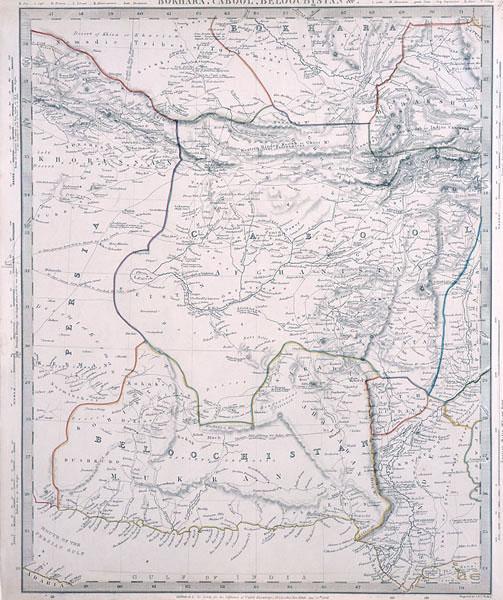
The Baluch have cautioned the Arab Gulf states based on their previous experience during the Persian Shiite revolution many years ago, but Baluch voices have been ignored. The Baluch are victims of Persian expansionist policy, and they know what it takes to stop the Persian menace.
Against all odds, the Baluch believe the Persians are spread too thin across the Middle East and can be defeated in Yemen, Iraq, Syria, Bahrain, and occupied Baluchistan. We believe the Persians lack the resources and workforce to sustain so many wars on multiple fronts.




No comments:
Post a Comment